Book soon Openers · Whitchurch-Stouffville
Emergency Release Repair
It is the coldest morning of the year. A week of slush and road salt has crusted over the outside release lock, the key will not seat, and the opener inside is silent after the overnight outage.
Call now · open 24/7(289) 212-6428Right now
Before the door is looked at
Call (289) 212-6428, open 24/7.
Pull the release with the door fully closed whenever possible, and keep the opening clear as you do. Once the trolley lets go, the door is held by its springs alone, and a closed door can still shift unexpectedly.
Lift a door by its handles or the gripping points on the panel face, never at the joint between sections, which closes as the door bends around the track.
Never drive a vehicle at a closed door to get out; the door collapses and the stored tension in the counterbalance is released. Use the release, the outside key release, or a technician.
In plain words
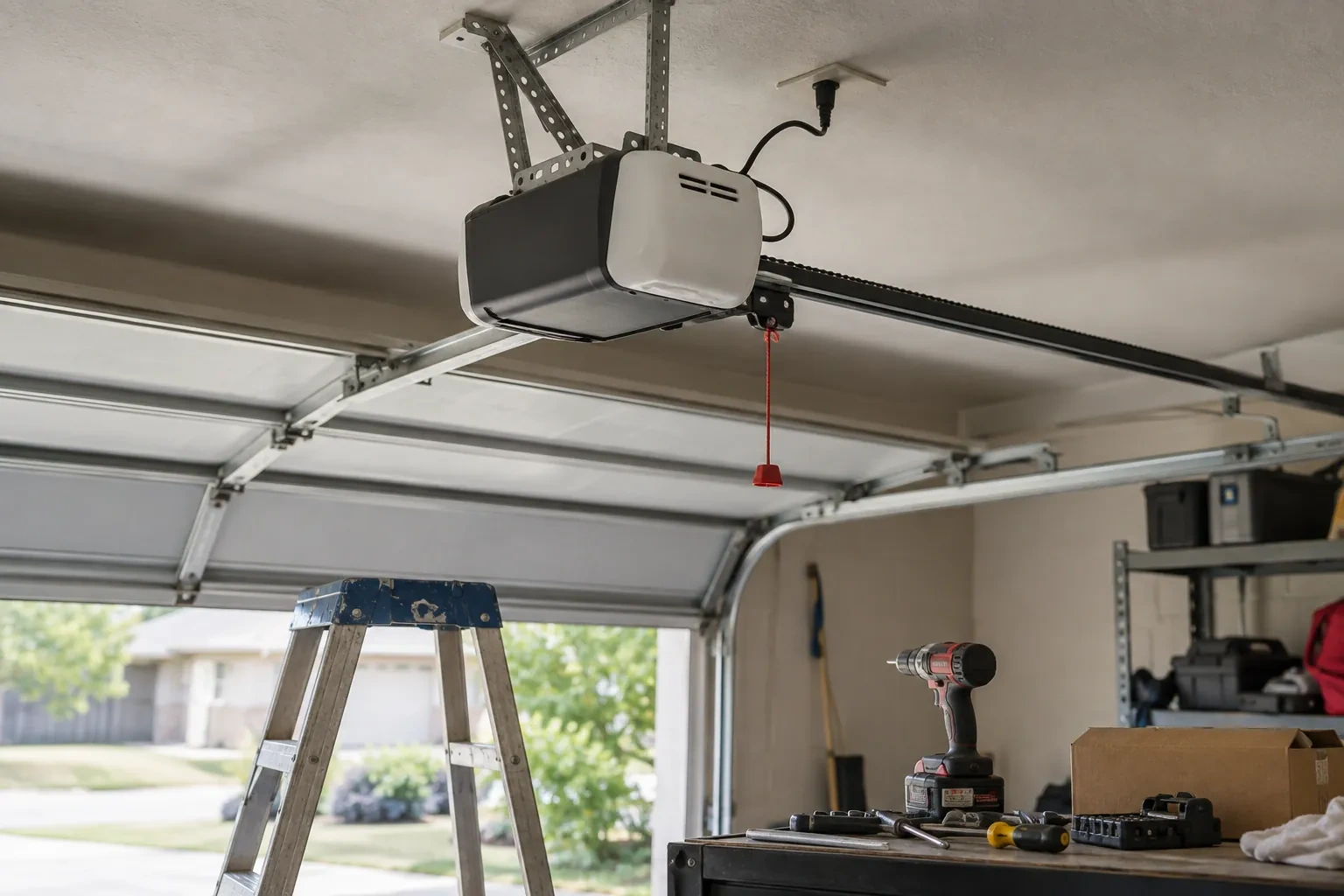
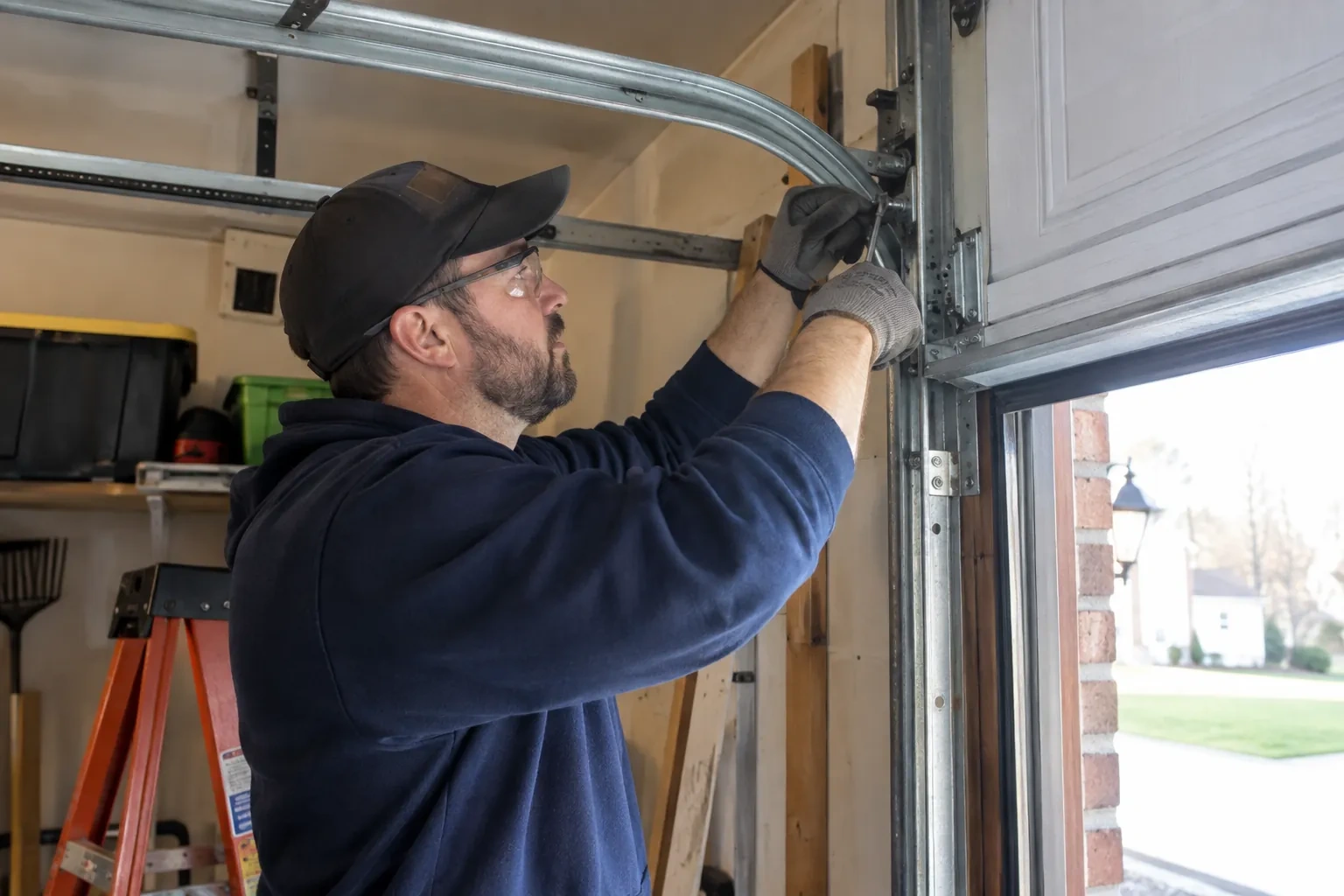
Emergency release repair puts the manual disconnect on an opener into working order. That disconnect is the red handle on a cord below the rail, the spring-loaded lever it pulls, and the trolley that lets go of the door when the lever is thrown and grips it again when the two are brought back together. When any of those parts is missing, bent, worn or set at the wrong height, moving the door by hand in an outage becomes a struggle and reconnecting it afterwards a puzzle. The technician fits parts made for that opener, sets the handle where it belongs, and proves the sequence from disconnect to reconnect.
How the visit goesAfter a week of lifting the door by hand you pressed the button, hoping it would catch. Instead the motor grinds, the trolley thumps against the end of the rail, and the little lever that should snap back stays stubbornly upright.
Emergency Release Repair · Whitchurch-Stouffville
How the visit goes
- 1
Where the handle hangs
Height and position are measured, not guessed. The handle should hang no more than about 1.8 metres above the floor so a person standing on the slab can reach it, and it should clear the roof and antenna of the vehicle parked beneath. The technician also looks at what surrounds it: shelving, bikes on hooks, a storage loft, a cord tied up around the rail by a previous owner. A handle nobody can find in the dark is as good as no handle at all, so obstructions and a cord that was shortened after a door change are recorded as part of the fault, not as clutter.
- 2
Reconnecting and proving the latch
Reconnection is done the way the maker describes for that unit. On most rails the cord is pulled toward the opener so the lever drops back to horizontal, then the opener is run and the trolley picks up the carriage with an audible click on the next cycle; on others the trolley re-latches when the door is lifted until it meets the carriage. The technician watches the join through a full open and close, then pulls the release and reconnects again to be sure the sequence repeats. You are shown what the click sounds like and what a trolley that has only half-latched looks like, so you can tell the two apart.
- 3
A monthly minute of checking
The industry advice is to look over the door and opener about once a month, and the release fits into that habit. With the door closed, pull the handle and raise the door by hand to about halfway to feel that it moves freely and holds where you leave it; then lower it and reconnect. Follow with the reversal checks: the door should back off a length of 2x4 laid flat on the floor and reverse when something passes through the sensor beam. If the door ever feels heavier than it did today, or the trolley stops clicking home, that is the moment to call rather than to keep using it.
In the van
- Outside key release kit (lock, cable, keys)
- Chain or belt tension hardware
- Rope and red handle kit
- Garage door lubricant
- Release lever and spring
What affects the quote
- 1
Freeing versus replacing the trolley
A trolley jammed on the stop bolt is freed, adjusted and reused when its latch is sound. One with worn teeth or a cracked body is replaced, which changes both parts and labour.
- 2
Door work found by the balance test
If the disconnected door proves heavy or drifting, spring, cable or roller work comes before the release is put back into use, and that door-side work is quoted as its own item.
- 3
Extra keys and a lockbox
Two keys come with an outside release. Additional keys cut for family members, or a small lockbox for the spare, are small add-ons listed as separate lines.
Same fees day, night or weekend.
Emergency Release Repair: questions
Should I test the release regularly?
Once a month is the industry rhythm for the door and opener, and the release fits into it. With the door closed, pull the handle, raise the door by hand to about halfway, feel that it moves freely and holds, then lower it and reconnect. It takes a minute and tells you two things: the release works and the door is balanced. Follow with the 2x4 and beam reversal checks so the whole system is proven together.
What is an outside key release, and should I add one?
It is a keyed cylinder, mounted through the top section on a sectional door or at mid-height on others, with a cable running back to the trolley lever. Turn the key, pull the cylinder, and the door is free to lift from the driveway. It earns its place on any garage where the overhead door is the only way in, especially a detached garage. It can be fitted during the same visit, with two keys, once the door and opener are checked for a compatible kit.
The motor hums and the trolley is jammed at the end of the rail. What happened?
The trolley has been driven into the stop bolt or stop tab, usually because the travel limit let it run too far. The technician frees it by pulling the release, slackening the chain or belt a few turns, running the motor so the trolley walks off the stop, then correcting the travel limit and re-tensioning the drive. The reversal tests are repeated afterwards, since the limits were changed.
Openers & Access
Bigger photo, sooner job: Emergency Book soon Plan ahead
 Book soonGarage Door Opener Diagnosis and RepairThe wall button works every time.
 Book soonChain-Drive Opener RepairThe rail shakes when the door runs.
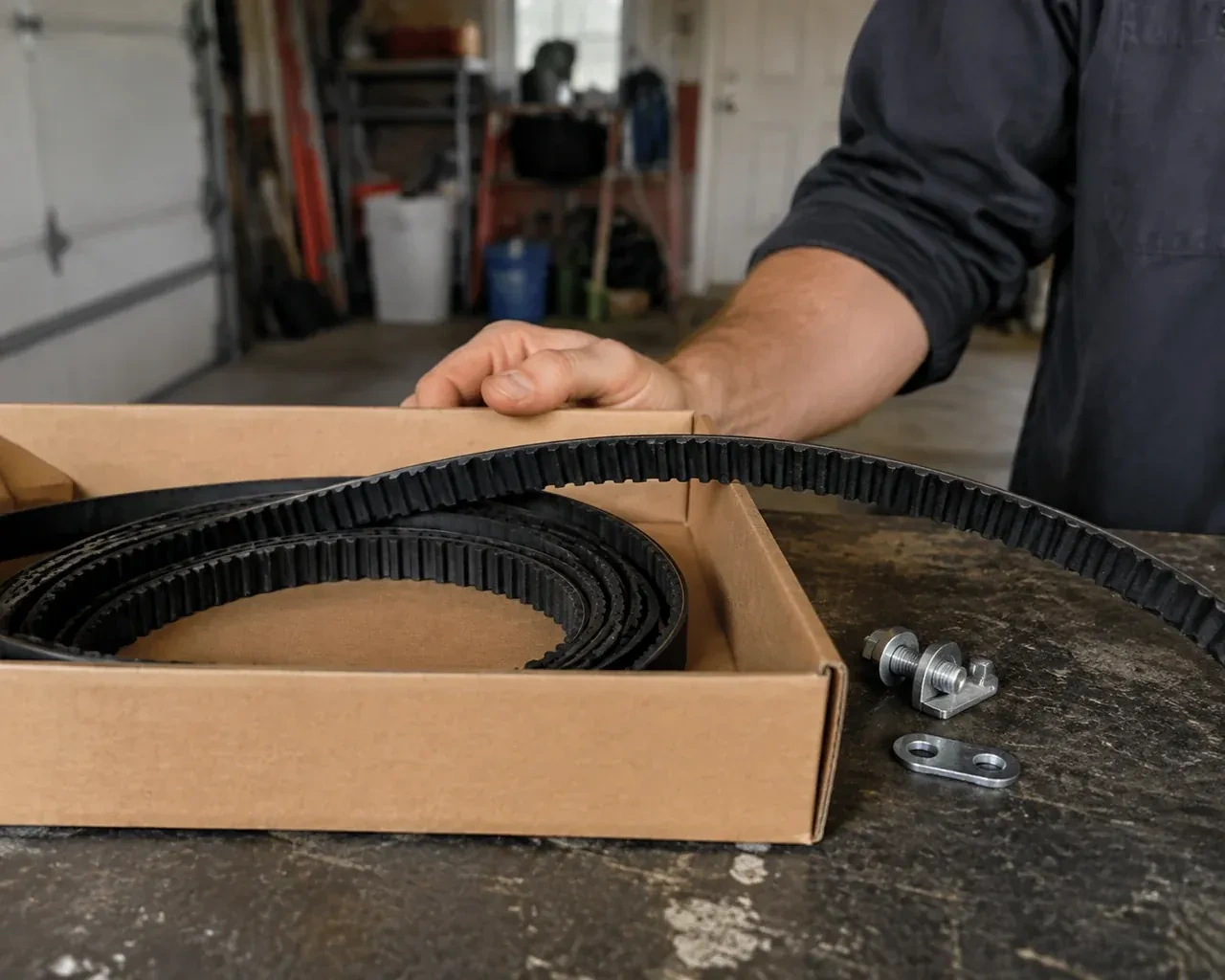 Book soonBelt-Drive Opener RepairSomeone tightened the belt last month to stop the sag.
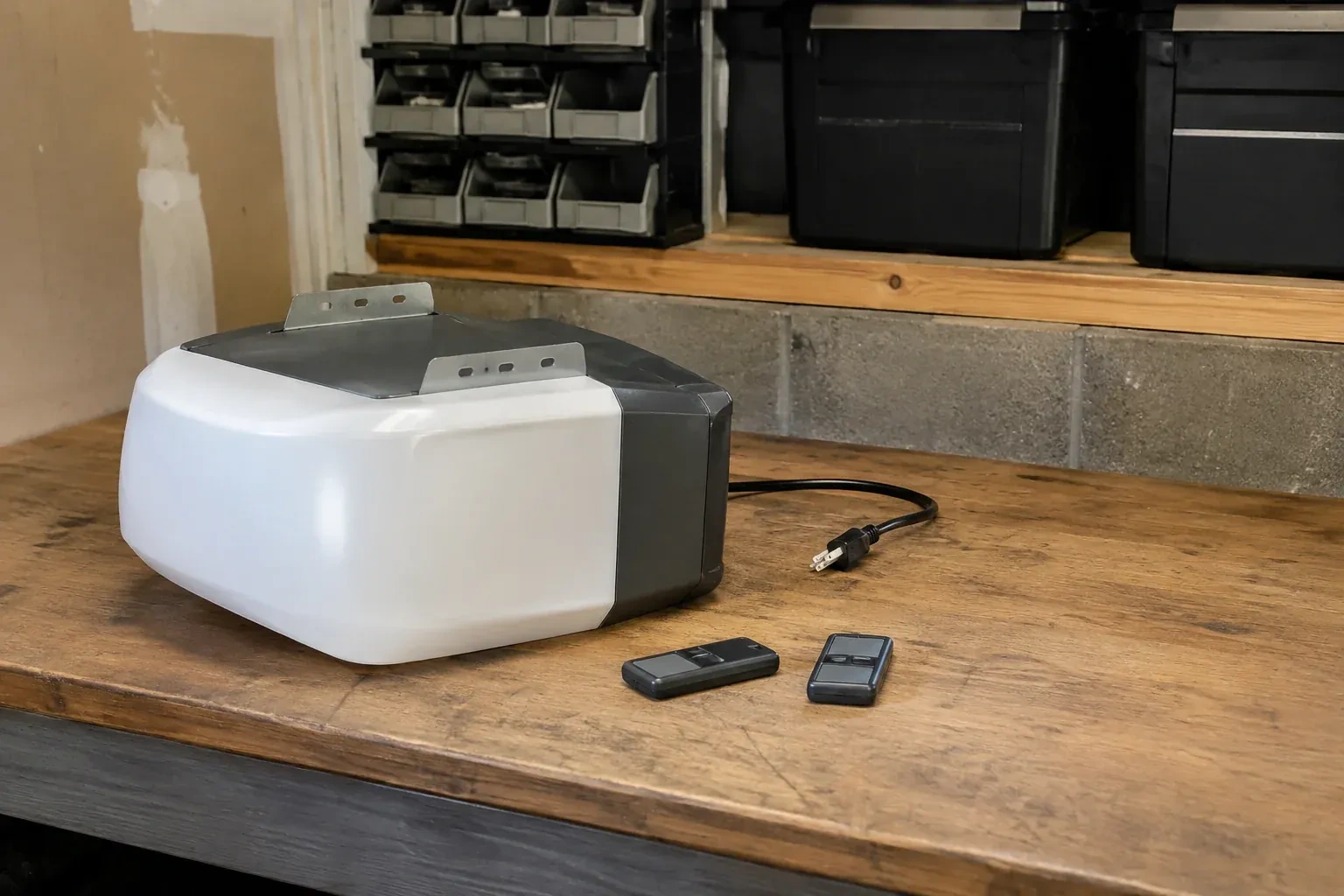 Plan aheadGarage Door Opener Replacement
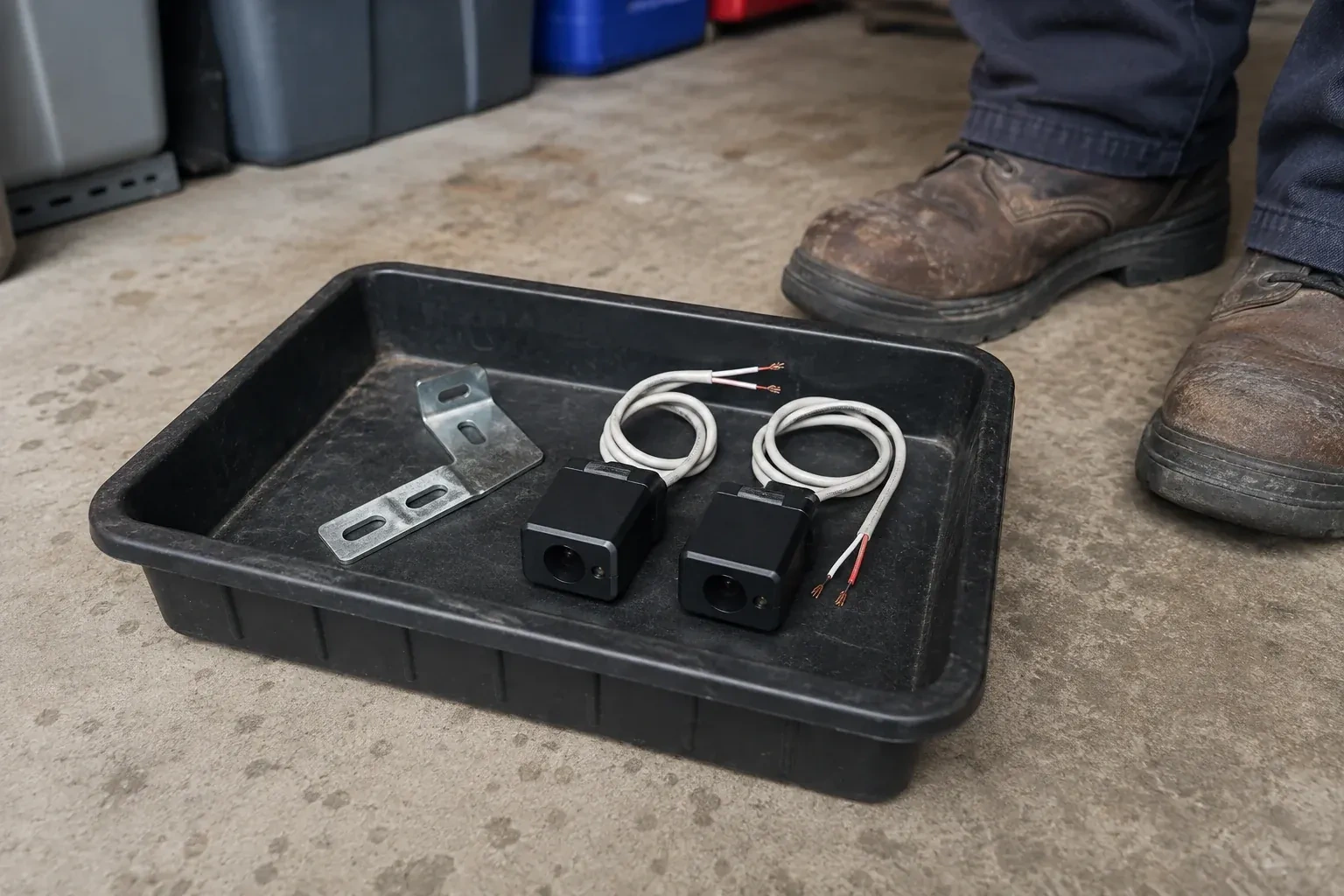 Book soonPhoto-Eye Sensor Alignment or ReplacementSomeone backed the car in a little too far, a bin or a bicycle brushed the track, and since then the door starts to close and…
York, Ontario
Whitchurch-Stouffville information
- Town
- Whitchurch-Stouffville, York, Ontario
- In business
- 17 years
- Hours
- Open 24/7 · nights, weekends and holidays, same fees
- Phone
- (289) 212-6428
- Visits
- On-site assessment preferred. Request a visit or call.
What the census means at the door
22%
Newer homes. About 22% of homes in Whitchurch-Stouffville were built in 1980 or earlier, according to the 2021 Census.
In newer areas the garage doors along a street often share a style and colour, and homeowners generally want a replacement that blends in. We match panel profiles and finishes closely, or help you choose a deliberate change that still sits comfortably with the neighbours.
74%
Mostly houses. Single-detached houses make up about 74% of homes in Whitchurch-Stouffville (2021 Census).
Where homes are detached, the garage is frequently a workshop or storage room as well as parking, and the door may be opened dozens of times on a Saturday. Sealed-bearing rollers, protected sensors and a regular tune-up keep a hard-working door running smoothly.
Open 24/7
Request a visit
It is the coldest morning of the year.
Call now · open 24/7(289) 212-6428- On-site assessment preferred
- Same fees day, night or weekend
- 17 years in business